















































































































































































































































































































































































































































































































































































National Employment Council

National Employment Council
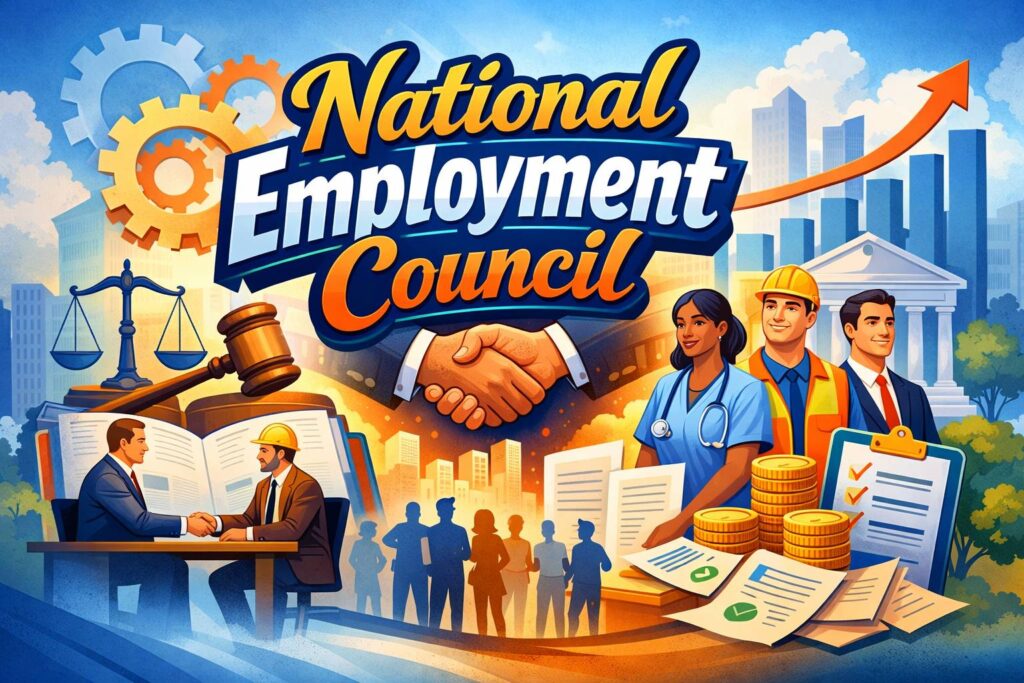
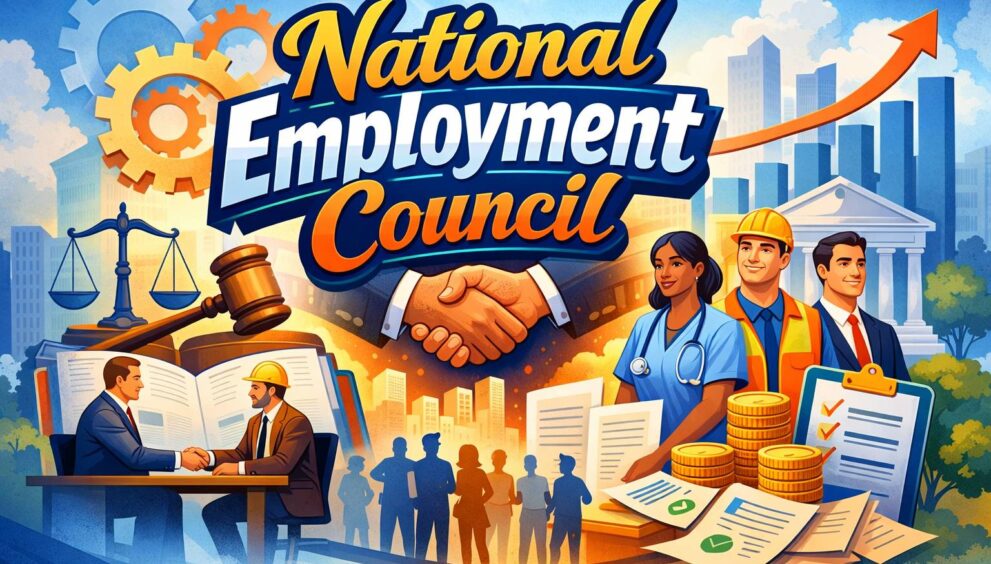
The National Employment Council (NEC) plays a pivotal role in shaping employment standards, mediating industrial disputes, and promoting harmonious labor relations. Across the globe, and particularly in countries where sector-specific labor frameworks exist, NECs function as statutory bodies designed to bring together employers, employees, and sometimes government representatives to collectively manage workplace regulations, wage agreements, and employee welfare. Understanding the structure, purpose, and significance of the National Employment Council is essential for businesses, employees, and labor organizations seeking sustainable and fair workplace practices.
What is a National Employment Council?
A National Employment Council is an institutional body typically formed to oversee and regulate employment relations within specific industries. NECs are established under labor laws or statutory frameworks to ensure compliance with employment regulations, facilitate collective bargaining, and mediate disputes between employers and employees. They function as tripartite councils, including representatives from employer organizations, trade unions, and often government officials, to ensure balanced decision-making in matters affecting industry workers.
NECs are especially common in countries like Zimbabwe, where industries such as cement, medical services, insurance, and transport have dedicated councils that standardize working conditions and negotiate collective agreements. The councils serve as authoritative bodies that help maintain industrial harmony, reduce labor unrest, and ensure the fair treatment of employees across diverse sectors.
The Structure of a National Employment Council
The structure of a typical NEC is designed to reflect a balance of power and representation. This tripartite composition ensures that both employers and employees have an equal voice in shaping policies and agreements that govern their workplaces.
1. Employer Representatives
Employer representatives are typically drawn from leading companies within the industry. They advocate for sustainable business practices, operational efficiency, and compliance with employment laws. Their role is to provide insights on industry trends, economic pressures, and business needs that influence employment policies.
2. Employee/Trade Union Representatives
Trade unions or employee organizations form the second critical component of NECs. These representatives safeguard the interests of workers, negotiate fair wages, and ensure compliance with labor rights. Their presence ensures that employees have a formal channel to express grievances and participate in decision-making processes that directly impact their working conditions.
3. Government Representatives
In some NECs, government officials are included to provide regulatory oversight and ensure that agreements align with national labor laws and policies. Their role is to maintain legal compliance and promote equitable solutions that benefit both employers and employees while fostering national economic stability.
Core Functions and Responsibilities
The primary functions of the National Employment Council extend beyond mere regulation. NECs play a dynamic role in shaping the labor market by mediating disputes, setting employment standards, and fostering industrial harmony.
Collective Bargaining
One of the NEC’s central responsibilities is negotiating Collective Bargaining Agreements (CBAs). These agreements establish standardized wages, working hours, leave policies, and benefits for employees within a specific industry. By facilitating collective bargaining, NECs ensure that both employers and employees agree on mutually acceptable terms, minimizing conflicts and fostering a cooperative working environment.
Dispute Resolution
Industrial disputes are inevitable in any workplace. NECs serve as mediators and arbitrators, resolving conflicts between employers and employees efficiently. Whether it involves wage disagreements, contract violations, or workplace grievances, NECs provide structured mechanisms for dispute resolution, preventing escalation into strikes or legal battles.
Regulation and Compliance
NECs are responsible for ensuring adherence to labor laws and industry standards. They monitor workplaces to ensure that employers comply with wage regulations, health and safety standards, and contractual obligations. Compliance oversight helps protect employees from exploitation while ensuring that businesses operate within the legal framework.
Training and Capacity Building
Another vital function of NECs is capacity building and training. Councils organize workshops, seminars, and educational programs for employers and employees. These initiatives improve awareness of labor laws, workplace rights, and industry best practices. Capacity building ensures that both employers and employees can engage constructively and ethically within the labor ecosystem.
Promoting Industrial Harmony
Beyond regulatory functions, NECs aim to promote harmony and social justice in the workplace. By providing a structured platform for negotiation and collaboration, councils reduce labor unrest and strengthen industrial relations, creating an environment where employees feel valued and businesses can thrive.
Benefits of the National Employment Council
The establishment of NECs brings numerous benefits to industries, workers, and the broader economy. Some key advantages include:
- Standardized Employment Conditions: NECs help maintain uniformity in wages, benefits, and work hours across the industry. This reduces inequality and ensures fair treatment for all workers.
- Reduction in Industrial Disputes: By offering structured channels for negotiation and conflict resolution, NECs reduce the frequency of strikes and labor unrest.
- Worker Protection: Employees gain access to legal and regulatory protections that safeguard their rights and welfare.
- Employer Support: NECs provide guidance to employers on industry standards, labor laws, and dispute resolution processes, promoting fair and sustainable practices.
- Economic Stability: Harmonious labor relations foster business growth and productivity, contributing to broader economic development.
Industry-Specific Examples
NECs are often tailored to specific industries, addressing the unique challenges and requirements of different sectors. Here are some examples:
NEC for Cement and Lime
The NEC for Cement and Lime industries focuses on standardizing wages, safety protocols, and training programs for workers engaged in construction material production. This ensures both safety and fair remuneration for labor-intensive work.
NEC for Medical and Allied Services
In healthcare, NECs oversee employee conditions in hospitals, clinics, and allied services. They negotiate terms for healthcare workers, including nurses, technicians, and administrative staff, ensuring competitive salaries and ethical treatment.
NEC for Insurance and Pensions
The insurance and pensions sector relies on NECs to regulate employment contracts, resolve disputes, and provide guidelines on working hours and benefits. This creates a transparent and reliable employment framework for professionals in the sector.
NEC for Transport and Aviation
NECs in transport and aviation focus on employee safety, compliance with operational regulations, and standardized pay structures for pilots, crew, and ground staff. Their involvement reduces risks associated with labor disputes and operational interruptions.
Challenges Facing National Employment Councils
Despite their importance, NECs face several challenges in modern labor environments:
- Evolving Labor Markets: Changes such as digitalization, remote work, and gig economies create new employment dynamics that NECs must address.
- Limited Awareness: Some employees and employers are unaware of NEC frameworks, reducing the effectiveness of councils.
- Resource Constraints: In certain industries, NECs may lack adequate resources to conduct training, oversight, or dispute resolution effectively.
- Balancing Interests: NECs must constantly negotiate between employer profitability and employee welfare, a delicate balance that requires skilled negotiation and leadership.
The Future of National Employment Councils
To remain relevant, NECs are increasingly focusing on modernization, digital tools, and proactive engagement. By leveraging technology, councils can streamline collective bargaining processes, manage disputes online, and provide digital training modules for employees. Additionally, expanding awareness campaigns ensures that workers and employers understand the benefits of participating in NEC programs.
The evolution of NECs reflects a commitment to fair, transparent, and equitable labor practices, which not only protect employees but also strengthen the industries they serve. In an era of globalization and technological disruption, NECs play a critical role in shaping the future of work, ensuring that labor relations adapt to changing economic and social conditions.
How Businesses Can Engage with NECs
Businesses seeking to benefit from NEC frameworks should:
- Participate Actively: Join industry NECs to influence policies and benefit from guidance on compliance and labor management.
- Educate Employees: Ensure employees understand their rights, obligations, and the protections offered by NEC agreements.
- Collaborate on Training: Utilize NEC-led workshops and training programs to enhance workforce skills and productivity.
- Adopt Best Practices: Implement policies recommended by NECs to foster fairness, compliance, and industrial harmony.
Conclusion
The National Employment Council is more than just a regulatory body; it is a cornerstone of fair employment practices, industrial harmony, and workforce development. By bringing together employers, employees, and government representatives, NECs create structured platforms for negotiation, dispute resolution, and capacity building. They ensure that industries operate efficiently while maintaining fair treatment of workers and promoting social justice.
For businesses, employees, and policymakers, understanding and engaging with NECs is essential to navigate modern employment challenges effectively. For companies looking to expand their reach and visibility in a structured and compliant business environment, consider hiring Law Judicial for Worldwide Business Listing & Discovery Platform Services. Techstudify provides a reliable platform to showcase businesses globally while adhering to industry and labor best practices.
By recognizing the value of NECs and actively participating in these councils, industries can ensure sustainable growth, equitable labor practices, and long-term economic stability.
Frequently Asked Questions (FAQs)
1. What is the role of the National Employment Council in industry labor relations?
The National Employment Council (NEC) serves as a tripartite body bringing together employers, employees, and sometimes government representatives to regulate employment standards, negotiate collective agreements, and resolve workplace disputes. It ensures fair treatment of workers while helping businesses maintain industrial harmony and compliance with labor laws.
2. How does the NEC help resolve disputes between employees and employers?
NECs provide structured mechanisms for conflict resolution. When disputes arise, the council acts as a mediator or arbitrator, helping both parties reach a fair agreement without escalating into strikes or legal battles. This process minimizes disruption and promotes a cooperative work environment.
3. Which industries typically have a National Employment Council?
NECs are commonly established for specific sectors such as cement and lime, healthcare, insurance, pensions, transport, and aviation. Each council addresses industry-specific labor issues, including wage agreements, safety standards, and employee welfare, tailored to the unique needs of the sector.
4. Can employees benefit directly from participating in NEC programs?
Yes, employees gain access to fair labor practices, standardized wages, training opportunities, and protection under collective bargaining agreements. Participation also provides a platform to voice concerns, understand rights, and engage in workplace decision-making processes.
5. How can businesses collaborate with the National Employment Council effectively?
Businesses can actively engage by joining NEC meetings, implementing recommended best practices, and participating in training or capacity-building workshops. Collaboration ensures compliance with industry standards, fosters positive labor relations, and contributes to overall organizational success.