

















































































































































































































































































































































































Is Possession Really 9/10 of the Law

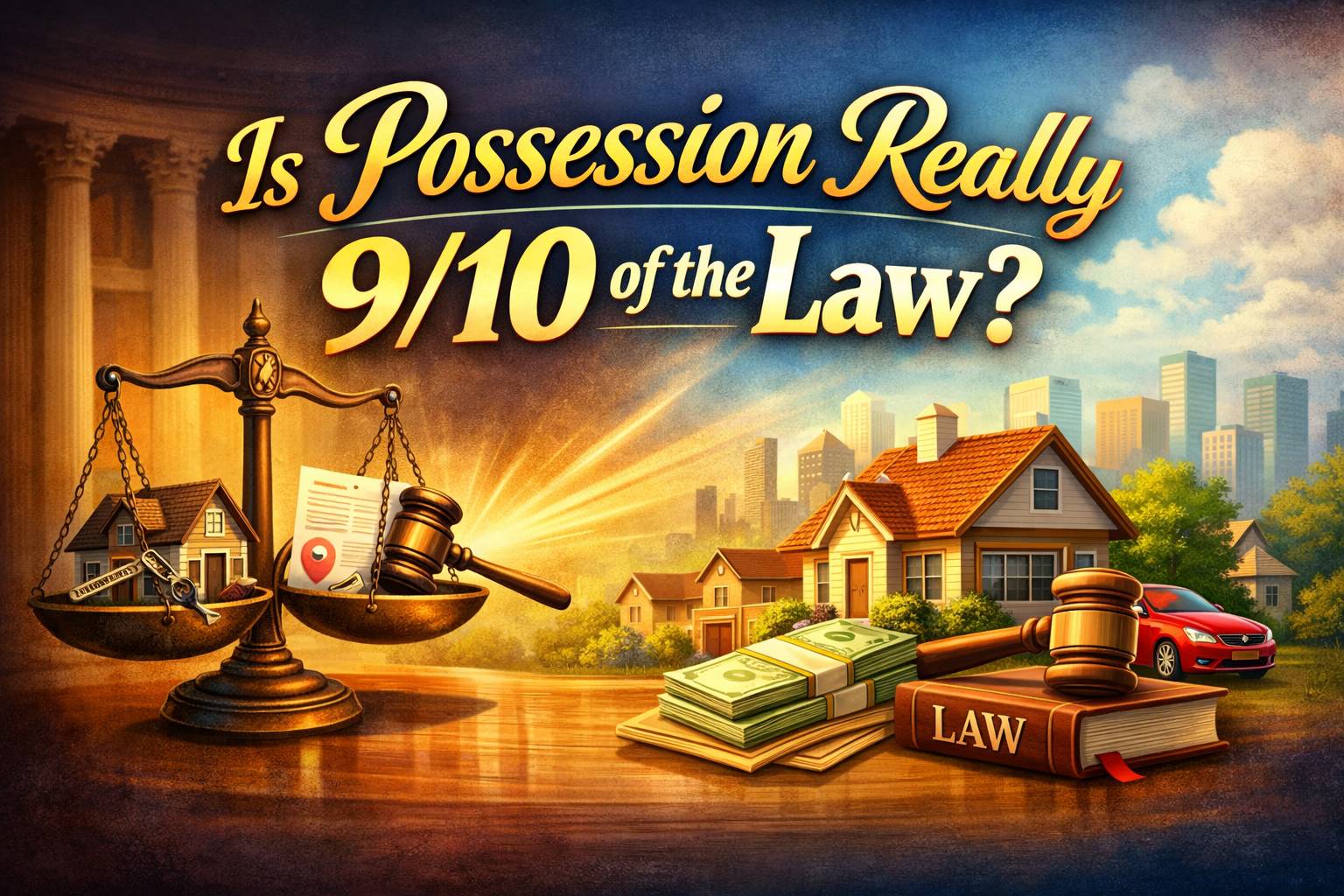
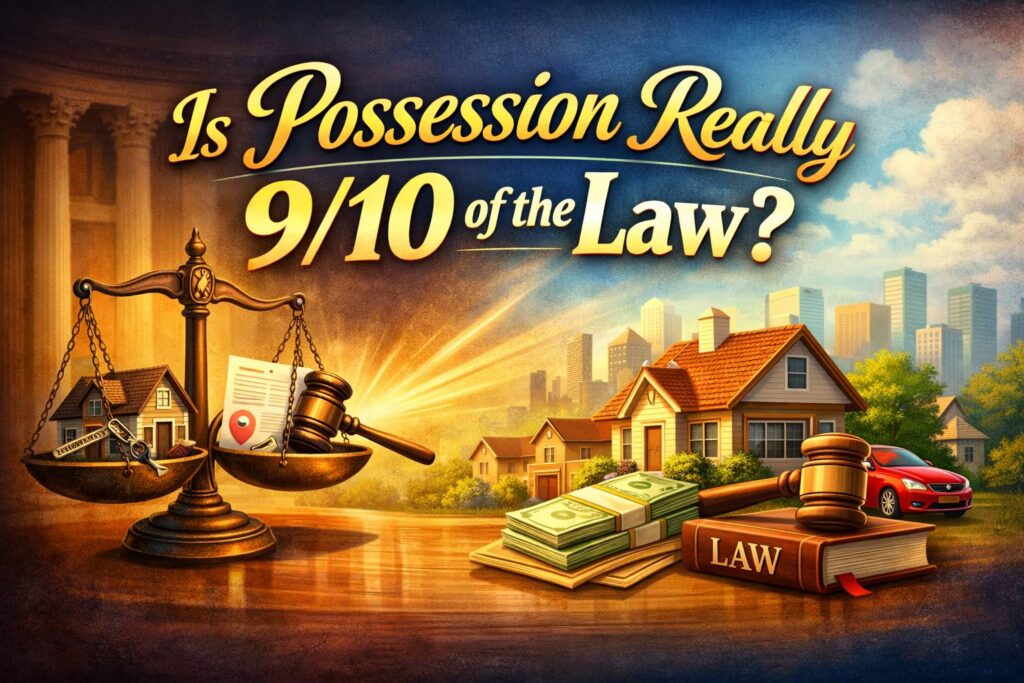
Is Possession Really 9/10 of the Law?
The phrase “possession is nine-tenths of the law” is one of the most commonly repeated legal sayings, yet it is also one of the most misunderstood. People often assume it means that if you physically control something, the law will almost always side with you. In reality, the truth is more nuanced. Possession matters a great deal in law, but it is never the whole story.
What Does “Possession Is 9/10 of the Law” Mean?
At its core, the phrase means having physical control of property gives you a strong legal advantage, especially when ownership is unclear or disputed.
Possession:
-
Creates a presumption that you have some legal right
-
Forces the other party to prove a better claim
-
Often determines who keeps property while disputes are resolved
However, possession is not ownership, and it does not override clear legal rights. Courts recognize possession as evidence, not proof.
The Historical Origins of the Phrase
The saying is not a statute or formal legal rule. It evolved from common law traditions, where courts often favored stability and order over constant disruption.
Historically:
-
Records of ownership were incomplete or nonexistent
-
Physical control was the most reliable indicator of entitlement
-
Courts preferred leaving property where it was unless strong evidence showed otherwise
This practical approach gradually turned into the proverb we still hear today.
Possession vs Ownership: Understanding the Difference
One of the biggest mistakes people make is assuming possession equals ownership. The law treats these as separate concepts.
Possession
-
Physical control or custody
-
May be temporary or informal
-
Can exist without legal title
Ownership
-
Legal right recognized by law
-
Supported by documents, contracts, or registration
-
Enforceable even without physical control
For example, a tenant possesses an apartment, but the landlord owns it. The tenant’s possession is protected, yet ownership still rests with the landlord.
Why Possession Carries Legal Weight
Possession matters because the law values order, predictability, and fairness.
Courts often assume:
-
The possessor has a legitimate reason for holding the property
-
Removing possession without proof risks injustice
-
Stability reduces unnecessary legal conflict
As a result, possession shifts the burden of proof to the challenger.
How Courts Use Possession in Legal Disputes
In real cases, possession works as a starting point, not a final decision.
Courts typically ask:
-
Who currently controls the property?
-
How did they obtain possession?
-
Is there evidence of superior legal rights?
-
Was possession lawful or wrongful?
If possession was gained illegally or through fraud, its legal value drops sharply.
Possession in Property Law
Property disputes are where this phrase is most often applied.
Real Estate
-
Occupants may have rights even without a deed
-
Long-term possession can create legal claims
-
Owners must follow legal eviction processes
Personal Property
-
Whoever holds the item often keeps it during disputes
-
Receipts, contracts, and proof of purchase can override possession
Possession influences outcomes, but documentation still matters.
Adverse Possession: When Possession Becomes Ownership
One of the clearest examples of possession’s power is adverse possession.
Under specific conditions:
-
Possession must be open and obvious
-
Continuous for a legally defined period
-
Exclusive and hostile to the owner’s claim
When all requirements are met, possession can legally transform into ownership. This is one of the rare situations where possession truly approaches “9/10 of the law,” but even then, strict rules apply.
Possession in Criminal Law
In criminal law, possession can create serious legal consequences.
Constructive Possession
You don’t need physical contact. Control or access can be enough.
Presumptions
-
Possession of illegal items can imply intent
-
Defendants must often explain lawful reasons
Possession in Civil Disputes
In civil cases like theft claims, loan disputes, or business conflicts, possession can shape outcomes.
Common scenarios:
-
Borrowed property not returned
-
Business assets held after partnership disputes
-
Family inheritance disagreements
Courts often let the possessor keep the property temporarily while the dispute is resolved, reinforcing possession’s practical power.
When Possession Offers Little Protection
Despite its influence, possession fails in many situations.
Clear Legal Ownership
Deeds, titles, and registrations override possession.
Illegal Possession
Stolen goods never gain protection through possession.
Bad Faith
Fraud, coercion, or deception undermine any advantage.
Possession helps only when it is lawful and defensible.
The Role of Evidence in Overcoming Possession
To defeat possession, courts rely on strong evidence.
This may include:
-
Contracts and receipts
-
Witness testimony
-
Registration records
-
Digital transaction histories
Modern legal systems increasingly prioritize documented ownership over physical control.
Why the Phrase Still Persists Today
Despite being legally incomplete, the saying survives because it reflects practical reality.
Possession:
-
Saves time and cost in disputes
-
Forces challengers to act
-
Provides leverage in negotiations
In everyday life, the possessor often appears to “win” unless challenged effectively.
Common Misconceptions About the Phrase
Misconception 1: Possession guarantees ownership
It does not. It only creates a temporary advantage.
Misconception 2: Courts always side with possessors
They don’t. Evidence overrides possession.
Misconception 3: Possession excuses illegal behavior
Illegal possession has no protection.
Understanding these limits prevents costly mistakes.
Practical Examples From Everyday Life
Example 1: Vehicle Disputes
Someone driving a car doesn’t own it unless registered and insured in their name.
Example 2: Rental Property
Tenants possess homes legally but cannot sell them.
Example 3: Lost Items
Finders may possess items temporarily, but true owners retain rights.
These examples show how possession functions as a placeholder, not a final verdict.
Possession in Digital and Modern Contexts
As assets become digital, possession takes new forms.
Examples:
-
Access to online accounts
-
Control of digital wallets
-
Administrative rights over platforms
How Lawyers Actually Use This Concept
Legal professionals rarely rely on the phrase directly. Instead, they focus on:
-
Establishing lawful possession
-
Demonstrating superior rights
-
Shifting burdens of proof
The phrase is more educational than procedural.
Is Possession Really 9/10 of the Law?
Possession:
-
Influences legal outcomes
-
Creates presumptions
-
Shapes negotiation leverage
But law ultimately favors rights, evidence, and legality over physical control.
Final Thoughts
If possession truly ruled the law, theft would become ownership overnight. Instead, modern legal systems balance possession with fairness, evidence, and justice.
Understanding this balance is far more valuable than relying on the saying itself.
Frequently Asked Questions (FAQs)
1. Is Possession Really 9/10 of the Law in legal disputes?
No, possession is not literally nine-tenths of the law. It gives a practical advantage because the possessor often keeps control until a stronger legal claim is proven, but ownership and evidence ultimately decide cases.
2. Does possession mean the same thing as legal ownership?
No, possession only means physical control of property, while ownership is a legal right supported by documents, contracts, or registration. A person can possess something without owning it.
3. Why do courts give weight to possession?
Courts value possession because it promotes stability and prevents unnecessary disruption. Removing possession without proof could lead to unfair outcomes, so challengers usually must prove a superior right.
4. Can possession ever turn into ownership?
Yes, in limited situations like adverse possession, where someone openly and continuously possesses property for a legally defined period under specific conditions.
5. When does possession offer no legal protection?
Possession offers little or no protection when it is illegal, obtained through fraud, or clearly overridden by documented ownership such as deeds, titles, or contracts.