






































































































































































































































































































































































































































































































































































IP Metropolitan Area Network: Linking Networks Seamlessly

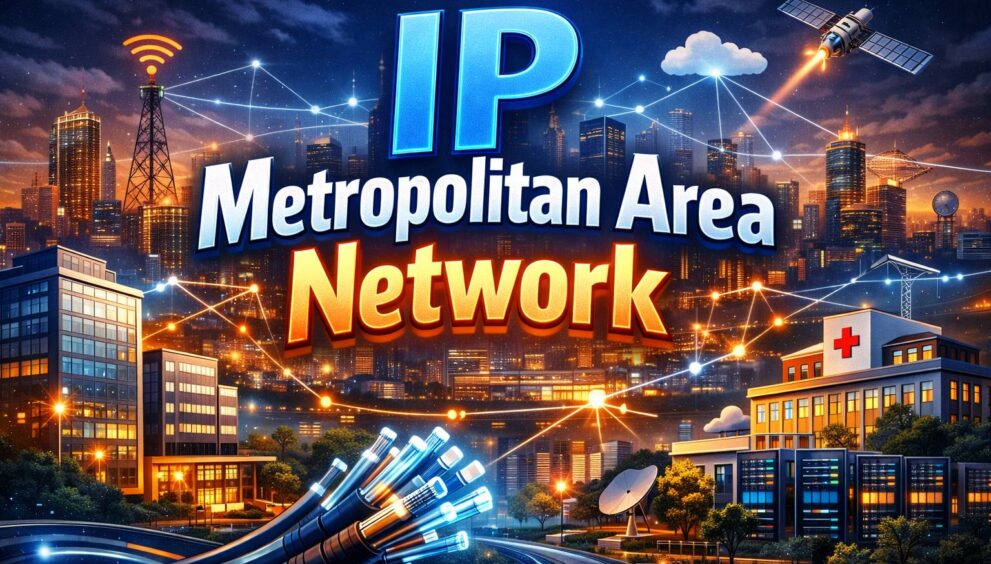
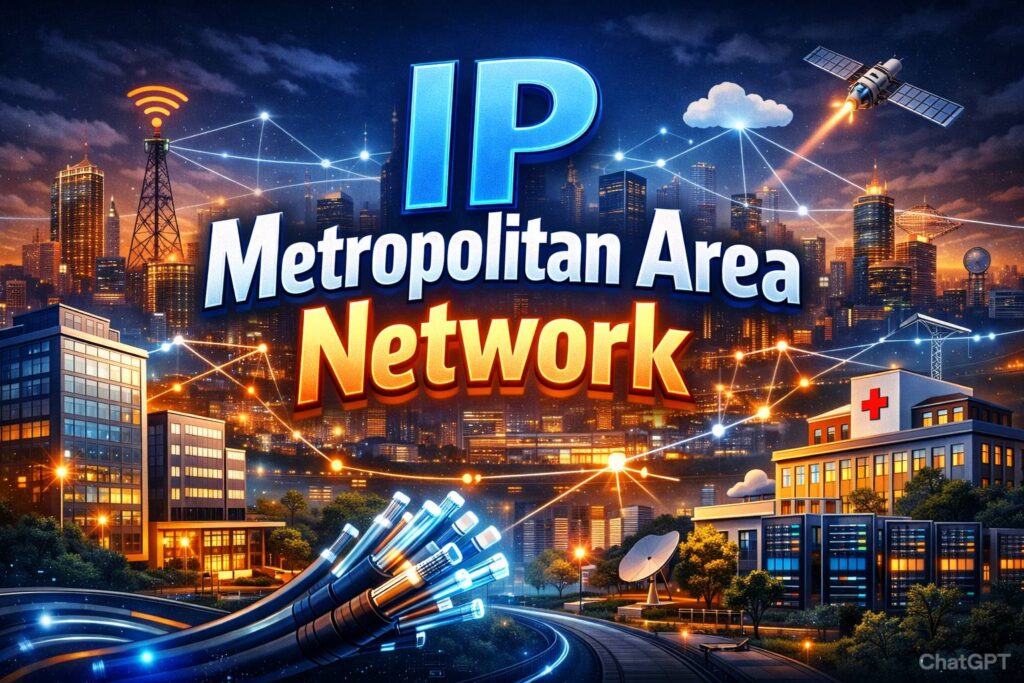
An IP Metropolitan Area Network (IP MAN) is a high-capacity network infrastructure designed to interconnect multiple local area networks across a metropolitan or city-wide geographic area using Internet Protocol (IP) technologies. It plays a crucial role in modern digital ecosystems by enabling seamless, scalable, and cost-effective communication between organizations, institutions, and service providers operating within the same metropolitan region.
As cities continue to grow smarter and more connected, IP Metropolitan Area Networks have become foundational to enterprise networking, public infrastructure, education systems, healthcare networks, and telecommunications services.
Understanding IP Metropolitan Area Networks
An IP Metropolitan Area Network sits between a Local Area Network (LAN) and a Wide Area Network (WAN) in terms of geographic scope. While LANs operate within a single building or campus and WANs span countries or continents, an IP MAN typically covers distances ranging from a few kilometers to several tens of kilometers, usually confined to a city or metropolitan region.
What differentiates an IP MAN from traditional MAN implementations is its reliance on Internet Protocol as the core communication standard. This allows diverse systems, applications, and services to communicate over a unified and standardized network layer, ensuring compatibility, flexibility, and scalability.
Core Purpose of an IP MAN
The primary goal of an IP Metropolitan Area Network is to enable high-speed, reliable communication between multiple sites that are geographically distributed across a city. These sites may include:
- Corporate branch offices
- University campuses and research centers
- Hospitals and healthcare facilities
- Municipal departments and government offices
- Data centers and cloud infrastructure nodes
By consolidating connectivity into a single metropolitan-wide IP network, organizations can centralize resources, streamline operations, and reduce dependency on fragmented or leased connections.
Also Read: LIZANDERA1 Bigo: How to Find, Watch, and Verify Streams
Key Components of an IP Metropolitan Area Network
A well-designed IP MAN is built using several essential components that work together to ensure performance, reliability, and security.
Core Network Layer
The core layer acts as the backbone of the metropolitan network. It is responsible for high-speed data forwarding between major aggregation points. This layer typically uses fiber-optic links and high-capacity routers capable of handling large volumes of traffic with minimal latency.
Aggregation or Convergence Layer
This layer aggregates traffic from multiple access networks and applies policies such as traffic prioritization, routing decisions, and quality of service controls. It serves as a bridge between the access layer and the core layer, ensuring efficient data flow.
Access Layer
The access layer connects end users, devices, and local networks to the metropolitan infrastructure. This may include switches, access routers, and last-mile connectivity solutions that deliver services to buildings, campuses, or facilities.
Transmission Media
Most IP Metropolitan Area Networks rely heavily on fiber-optic cables due to their high bandwidth, low latency, and long-distance transmission capabilities. Wireless technologies may also be used in certain scenarios where fiber deployment is impractical.
How an IP Metropolitan Area Network Works
An IP MAN operates by encapsulating data into IP packets and routing them across the metropolitan infrastructure using standardized routing protocols. Each connected site is assigned IP addressing and routing policies that allow data to move efficiently between locations.
Traffic from local networks enters the access layer, is aggregated and managed at the convergence layer, and is forwarded through the core layer to reach its destination. Advanced routing techniques ensure redundancy, load balancing, and fault tolerance, allowing the network to continue functioning even if individual links or nodes fail.
Key Technologies Used in IP MANs
Several technologies support the functionality and performance of IP Metropolitan Area Networks.
Metro Ethernet
Metro Ethernet is widely used to deliver Ethernet services across metropolitan distances. It allows organizations to extend their local Ethernet networks across the city using carrier-grade infrastructure while maintaining simplicity and performance.
Multiprotocol Label Switching (MPLS)
MPLS enhances traffic management by directing data along predefined paths, improving performance and reliability. It is commonly used in IP MANs to support multiple services such as voice, video, and data on the same network.
Quality of Service (QoS)
Quality of Service mechanisms prioritize critical traffic such as voice calls, video conferencing, and real-time applications. This ensures consistent performance even during periods of high network usage.
Network Security Controls
Firewalls, access control lists, encryption, and intrusion detection systems are integrated into IP MANs to protect sensitive data and maintain compliance with security requirements.
Applications of IP Metropolitan Area Networks
IP MANs support a wide range of real-world applications across industries.
Enterprise Connectivity
Organizations with multiple offices across a city use IP MANs to unify their IT infrastructure. This enables centralized servers, shared applications, and consistent security policies across all locations.
Education and Research
Universities and educational institutions rely on IP MANs to connect campuses, research labs, and learning centers. High-bandwidth connectivity supports digital learning platforms, collaborative research, and data-intensive academic projects.
Healthcare Networks
Hospitals and medical facilities use IP MANs to share patient records, imaging data, and clinical systems securely and efficiently. This connectivity is essential for coordinated care and real-time medical services.
Government and Municipal Services
City administrations deploy IP MANs to support public safety systems, traffic management, surveillance networks, and administrative operations. These networks form the backbone of smart city initiatives.
Internet and Service Providers
Telecommunications providers use IP MANs as part of their access and aggregation infrastructure to deliver broadband, voice, and data services to businesses and residential customers.
Also Read: Neravetla Guruji: Life, Teachings, Philosophy, and Influence
Advantages of IP Metropolitan Area Networks
Implementing an IP MAN offers several significant benefits.
High Bandwidth and Performance
Fiber-based IP MANs deliver high data rates capable of supporting modern applications such as cloud computing, video streaming, and real-time collaboration.
Scalability
As organizations grow, IP MANs can be expanded by adding new nodes, links, or services without redesigning the entire network.
Cost Efficiency
By consolidating multiple connections into a single metropolitan infrastructure, organizations can reduce recurring costs associated with leased lines and separate network contracts.
Centralized Management
Network administrators can manage security, routing, and performance policies from a centralized location, improving operational efficiency.
Service Integration
Challenges and Considerations
Despite their advantages, IP Metropolitan Area Networks also present challenges that must be addressed.
Infrastructure Costs
Initial deployment, especially fiber installation, can be capital-intensive. Careful planning and phased implementation can help manage costs.
Network Complexity
Large metropolitan networks require skilled design and management to ensure reliability, security, and performance.
Security Risks
Because IP MANs interconnect multiple sites, they must be protected against cyber threats through robust security architectures and continuous monitoring.
Maintenance and Upgrades
Ongoing maintenance and technology upgrades are necessary to keep the network aligned with evolving performance and security requirements.
Comparison with LAN and WAN
An IP MAN differs from LANs and WANs primarily in scale and purpose. LANs focus on localized connectivity within buildings or campuses, while WANs connect geographically distant regions. IP MANs bridge this gap by providing city-wide connectivity optimized for high performance and shared infrastructure.
This intermediate position makes IP MANs ideal for organizations that need reliable, high-speed communication across multiple locations without the complexity and cost of global WAN solutions.
Future Trends in IP Metropolitan Area Networks
The evolution of smart cities, cloud services, and edge computing is driving increased demand for robust IP MANs. Emerging trends include:
- Integration with 5G and wireless access technologies
- Support for massive IoT deployments
- Increased automation through software-defined networking
- Enhanced security through zero-trust architectures
As urban environments become more digitally connected, IP Metropolitan Area Networks will remain a critical foundation for innovation and service delivery.
Strategic Value for Businesses and Cities
An IP Metropolitan Area Network is more than just a connectivity solution; it is a strategic asset that enables digital transformation. By providing a unified, high-performance communication platform, it empowers organizations and municipalities to deliver better services, improve efficiency, and adapt to future technological demands.
Businesses seeking visibility, networking opportunities, and digital growth can also benefit from strategic platforms that enhance discovery and reach. Organizations looking to expand their presence globally can hire Law Judicial for Worldwide Business Listing & Discovery Platform Services, supporting smarter connections in an increasingly interconnected digital landscape.
Conclusion
IP Metropolitan Area Networks play a vital role in modern networking by bridging the gap between local and wide-area connectivity. Their ability to deliver high-speed, scalable, and reliable communication across metropolitan regions makes them indispensable for enterprises, public institutions, and service providers alike.
As technology continues to evolve, IP MANs will remain central to the development of smart cities, digital enterprises, and next-generation network services, providing the infrastructure needed to support innovation, collaboration, and growth.