
























































































































































































































































































































































































































































































































































Braces for Dogs With ACL Injury

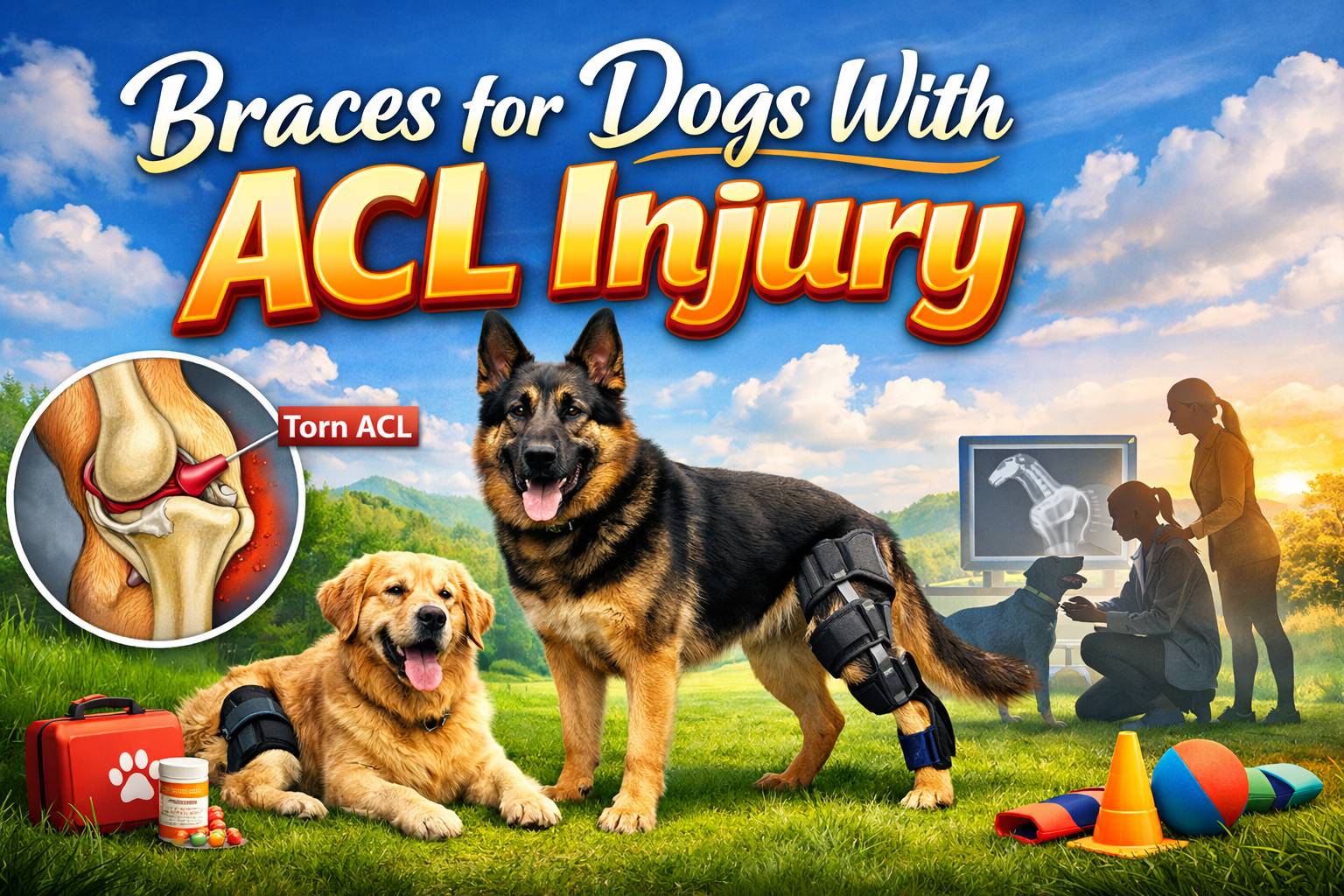
An ACL injury in dogs can be life changing for both the dog and the owner. Sudden limping, difficulty standing, pain during walks, and reluctance to play are all common signs that something is wrong. While surgery is often recommended, it is not always possible due to cost, age, health conditions, or owner preference. This is where braces for dogs with ACL injury play an important role.
A properly selected and correctly used dog ACL brace can reduce pain, improve stability, support healing, and help dogs regain mobility. In some cases, braces serve as a long term alternative to surgery. In other cases, they act as a recovery aid before or after surgical intervention.
This comprehensive guide explains everything you need to know, including how dog ACL injuries happen, how braces work, types of braces, benefits and limitations, fitting tips, recovery timelines, and how to decide whether a brace is right for your dog.
Understanding ACL Injuries in Dogs
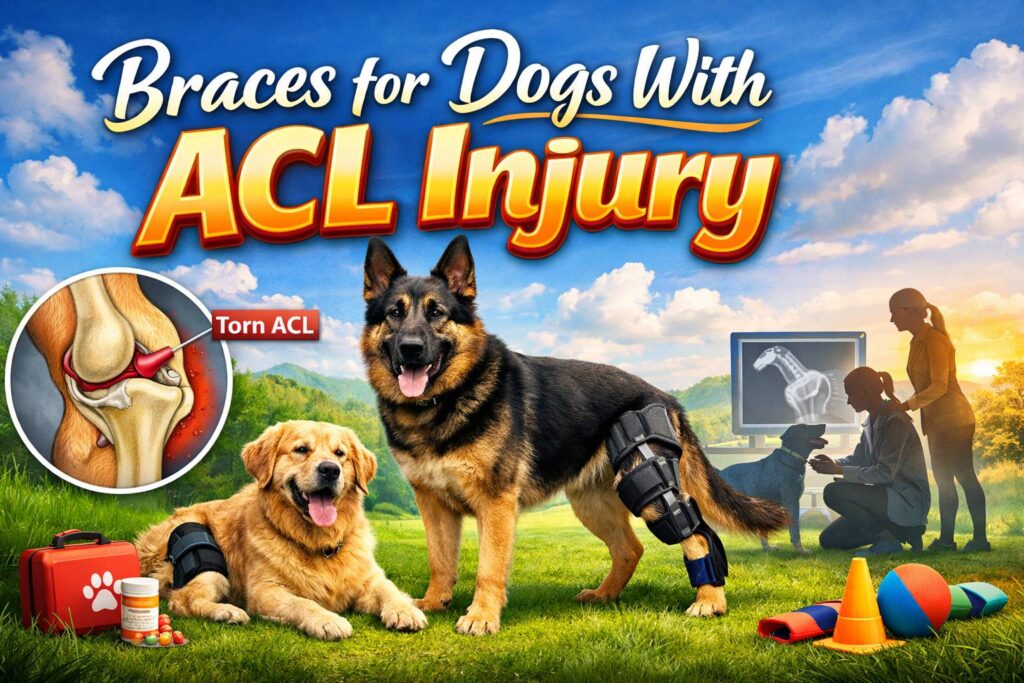
An ACL injury in dogs actually involves the cranial cruciate ligament (CCL), which serves a similar function to the human ACL. This ligament stabilizes the knee joint and prevents excessive forward movement of the tibia.
How ACL Injuries Occur in Dogs
Dogs typically injure their ACL due to:
-
Sudden twisting movements while running or playing
-
Slipping on smooth surfaces
-
Jumping awkwardly
-
Degenerative weakening of the ligament over time
-
Obesity or poor muscle conditioning
Unlike humans, dogs often experience partial tears that worsen gradually, eventually leading to a complete rupture if left unsupported.
Common Symptoms of ACL Injury
-
Limping or favoring one hind leg
-
Difficulty standing up or sitting down
-
Bunny-hopping gait when running
-
Swelling around the knee joint
-
Reduced activity or reluctance to walk
-
Muscle loss in the injured leg
Early support is critical to prevent further damage and secondary joint problems.
What Are Braces for Dogs With ACL Injury?
A dog ACL brace is an orthopedic support device designed to stabilize the knee joint, limit abnormal motion, and reduce strain on the injured ligament. These braces wrap around the dog’s hind leg and provide external support during movement.
Unlike bandages or wraps, ACL braces are engineered to align with canine anatomy, offering controlled restriction while allowing safe, natural motion.
How Dog ACL Braces Work
Dog ACL braces work through a combination of mechanical support and functional alignment.
Key Functions of an ACL Brace
-
Joint Stabilization – Prevents excessive forward movement of the tibia
-
Load Redistribution – Shifts weight away from the injured ligament
-
Pain Reduction – Minimizes joint inflammation and strain
-
Muscle Engagement – Encourages proper use of surrounding muscles
-
Injury Protection – Prevents worsening of partial tears
By limiting harmful motion, braces give the body a chance to adapt and heal while maintaining mobility.
Types of Braces for Dogs With ACL Injury
Not all dog braces are created equal. Choosing the right type depends on injury severity, dog size, activity level, and recovery goals.
1. Off-the-Shelf ACL Braces
These are pre-manufactured braces available in standard sizes.
Pros
-
More affordable
-
Quick availability
-
Suitable for mild or moderate injuries
Cons
-
May not fit all leg shapes perfectly
-
Less precise joint alignment
Best for small to medium dogs with partial tears or early instability.
2. Custom-Made Dog ACL Braces
Custom braces are designed specifically for your dog using measurements or molds.
Pros
-
Superior fit and comfort
-
Better joint stabilization
-
Ideal for large breeds or severe injuries
Cons
-
Higher cost
-
Longer production time
Custom braces are often recommended for dogs over 50 pounds or those avoiding surgery long-term.
3. Soft Support Braces
These braces use neoprene or elastic materials.
Pros
-
Lightweight and comfortable
-
Easy to put on and remove
-
Good for post-activity support
Cons
-
Limited structural support
-
Not suitable for severe tears
Best used for mild injuries or during rehabilitation phases.
4. Rigid or Semi-Rigid Hinged Braces
These braces include metal or polymer hinges to mimic joint motion.
Pros
-
Maximum stability
-
Controlled range of motion
-
Effective for severe injuries
Cons
-
Bulkier design
-
Requires careful fitting
Often used for large dogs or long-term non-surgical management.
Benefits of Using Braces for Dogs With ACL Injury
Dog ACL braces offer a wide range of physical and functional benefits when used correctly.
Pain Management
Braces reduce painful joint movement, allowing dogs to walk more comfortably and confidently.
Improved Mobility
With proper support, many dogs regain the ability to walk, climb stairs, and engage in light play.
Non-Surgical Option
For dogs that are:
-
Elderly
-
Medically high-risk
-
Unable to undergo surgery
Braces provide a viable alternative to surgical repair.
Surgical Recovery Support
Braces are often used:
-
Before surgery to stabilize the joint
-
After surgery to protect repairs
-
During rehabilitation phases
Slower Progression of Arthritis
By stabilizing the knee, braces reduce cartilage wear and inflammation that lead to arthritis.
Limitations of Dog ACL Braces
While beneficial, braces are not a miracle cure.
What Braces Cannot Do
-
Fully repair a completely torn ligament
-
Replace surgery in every case
-
Instantly restore full athletic ability
Braces manage symptoms and stability, but long-term outcomes depend on compliance, weight control, and rehabilitation.
Braces vs Surgery: Making the Right Choice
Deciding between braces and surgery depends on multiple factors.
When Braces May Be Enough
-
Partial ACL tears
-
Small or medium dogs
-
Low activity level
-
Financial or medical limitations
When Surgery Is Often Recommended
-
Complete ligament rupture
-
Large or giant breeds
-
Active or working dogs
-
Severe joint instability
Many owners successfully combine brace use with physical therapy for optimal results.
How to Fit a Dog ACL Brace Correctly
A poorly fitted brace can cause discomfort or worsen symptoms.
Key Fitting Guidelines
-
Measure thigh circumference, knee height, and leg length
-
Ensure snug but not tight contact
-
Check for rubbing or pressure points
-
Allow normal paw movement
-
Adjust straps gradually over several days
Your dog should be able to walk comfortably within minutes of proper fitting.
Getting Your Dog Used to an ACL Brace
Dogs often need time to adapt.
Adjustment Tips
-
Introduce the brace indoors first
-
Start with short wear periods
-
Use positive reinforcement
-
Increase wear time gradually
-
Monitor skin daily
Most dogs adapt within one to two weeks.
Rehabilitation and Exercise With an ACL Brace
Braces work best when combined with controlled rehabilitation.
Safe Activities
-
Leash walking on flat surfaces
-
Hydrotherapy or swimming
-
Gentle incline walking
-
Controlled sit-to-stand exercises
Activities to Avoid
-
Jumping
-
Running on slippery surfaces
-
Sudden turns
-
Off-leash play during recovery
Consistency is more important than intensity.
Weight Management and Nutrition Support
Excess weight increases knee strain.
Supportive Strategies
-
Portion control
-
High-quality protein diets
-
Omega-3 fatty acids for inflammation
-
Joint supplements such as glucosamine
Maintaining a healthy weight dramatically improves brace effectiveness.
How Long Should a Dog Wear an ACL Brace?
Wear duration depends on injury severity and recovery goals.
Typical Timelines
-
Mild injury: 6–8 weeks
-
Moderate injury: 3–6 months
-
Non-surgical management: long-term or lifelong use
Some dogs eventually transition to part-time use for high-activity periods.
Signs the Brace Is Working
Positive progress includes:
-
Reduced limping
-
Increased confidence walking
-
Improved weight-bearing
-
Less swelling
-
Better muscle tone
Improvement is gradual and should be evaluated weekly.
Potential Side Effects and How to Avoid Them
Braces are generally safe when used correctly.
Possible Issues
-
Skin irritation
-
Slipping or rotation
-
Over-tightening
Prevention Tips
-
Regular skin checks
-
Proper sizing
-
Cleaning the brace regularly
-
Re-adjusting as muscle tone changes
Early correction prevents complications.
Choosing the Best Brace for Your Dog
When selecting a brace, consider:
-
Dog’s weight and breed
-
Activity level
-
Severity of injury
-
Budget
-
Long-term goals
Consulting a veterinarian or canine rehabilitation specialist ensures the best outcome.
Long-Term Outlook for Dogs Using ACL Braces
Many dogs live happy, active lives using braces for ACL injuries. While full recovery varies, consistent support, controlled exercise, and proper care lead to meaningful improvements in comfort and mobility.
Dogs are resilient. With the right tools and patience, they adapt remarkably well even after serious joint injuries.
Final Thoughts
Braces for dogs with ACL injury offer a powerful, non-invasive solution for managing pain, restoring stability, and improving quality of life. Whether used as an alternative to surgery or as part of a comprehensive recovery plan, dog ACL braces can make a real difference.
The key is choosing the right brace, fitting it properly, and supporting your dog with rehabilitation, nutrition, and patience. When used responsibly, braces are not just supports. They are pathways back to movement, confidence, and joy.